
What is innovation?

What is innovation? It is more than spectacular inventions! When we think of “innovation”, we often picture revolutionary technologies or brilliant discoveries. We imagine great laboratories, enormous budgets and visionaries who change the world.
A change of perspective, not of technology
Innovation is not always the result of a brilliant discovery. It often begins with something much simpler: a shift in the way we look, and an attempt to understand what another person is really going through.
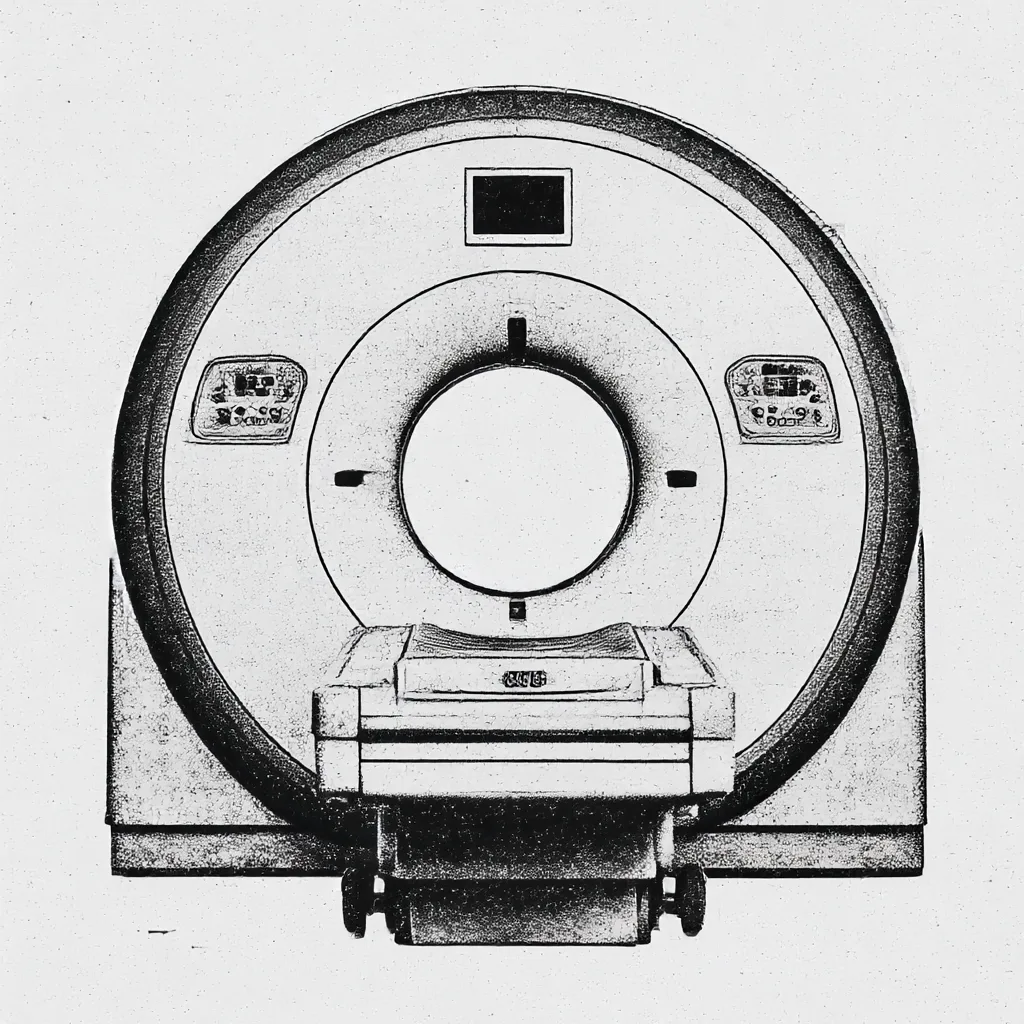
A good example is the story of Doug Dietz of General Electric, who designed magnetic resonance imaging (MRI) scanners. He was proud of his technological marvel until he saw a terrified little girl crying before her scan. Dietz did not invent a new technology that day. He did something else: he changed his perspective. Instead of focusing on the machine, he asked: “How does a child feel when she has to go inside it?” As a result, he turned a frightening device into a pirate ship and a space adventure, and radically changed the experience of his youngest patients.
So what is innovation?
The Oslo Manual defines an innovation as:
...a new or improved product or process (or combination thereof) that differs significantly from the unit’s previous products or processes and that has been made available to potential users or brought into use by the unit.In other words, it is an idea and its application. It is a real change for the better. Innovation is, above all, the ability to notice problems and to create valuable solutions that make someone’s life better, simpler or more satisfying.
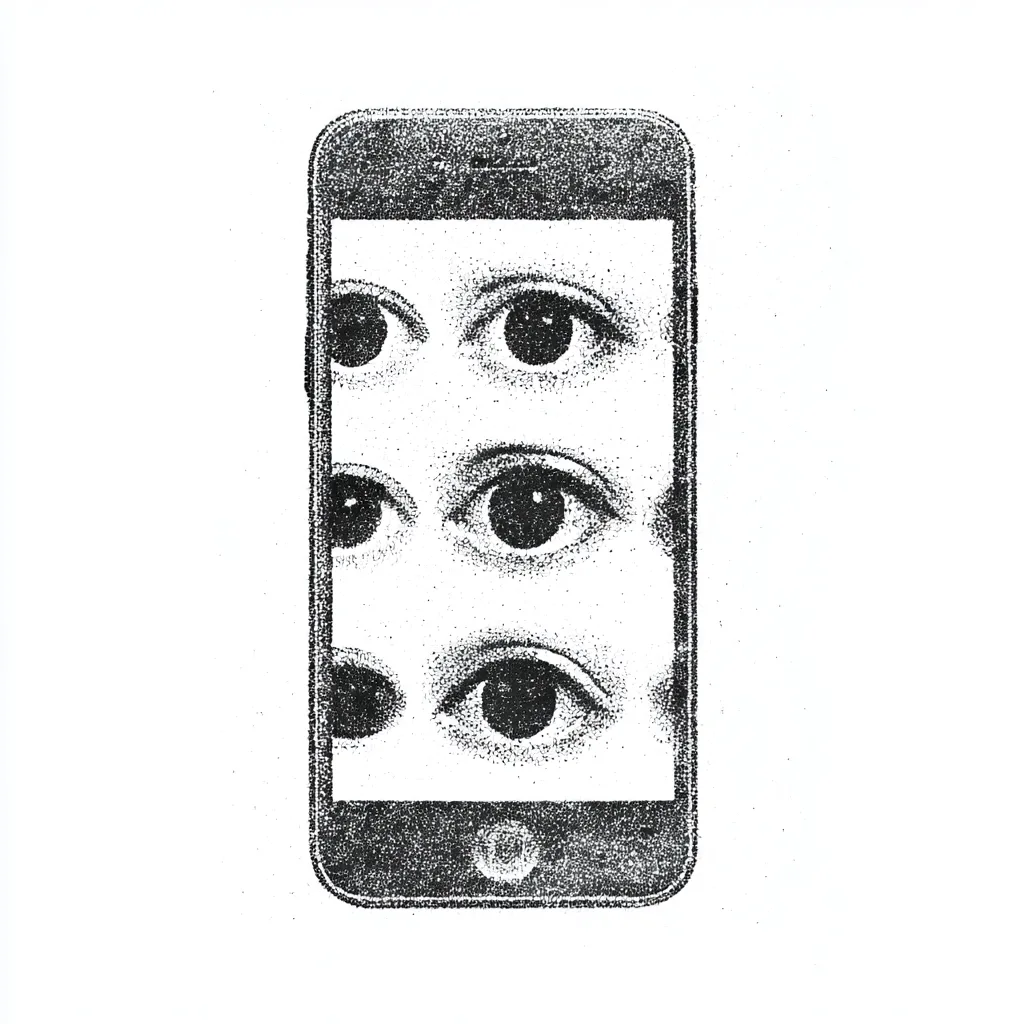
A great example is Be My Eyes, an app that connects blind people with sighted volunteers through video. It is an innovation born of empathy and of simply observing everyday challenges.
The democratisation of innovation
Design thinking shows that innovation is “democratic”. It works without access to costly laboratories or million-dollar budgets.
What it does require is:
1. Readiness to listen to and observe other people
2. Humility about your own assumptions
3. Courage to test ideas again and again
Read next

Oblique Strategies for the Algorithm
In 1975 a small black box appeared. Title: Oblique Strategies. Inside were cards with short, enigmatic sentences…
Creative traces
A sandwich holder, a notebook on wheels and a key with a torch. What do these three objects have in common?
Tell it to someone…
Imagine waking up in the year 1726. You are in a cottage, at a table…

Design Thinking Toolkit
Looking for more inspiration?
Warm-ups, tools, videos, stories and data for working with the design thinking method. Pick one and get started.
Open the toolkit →